International projects
Naturvernforbundet has been collaborating with environmental movements in several countries in Africa and the former Soviet Union since the early 90’s.
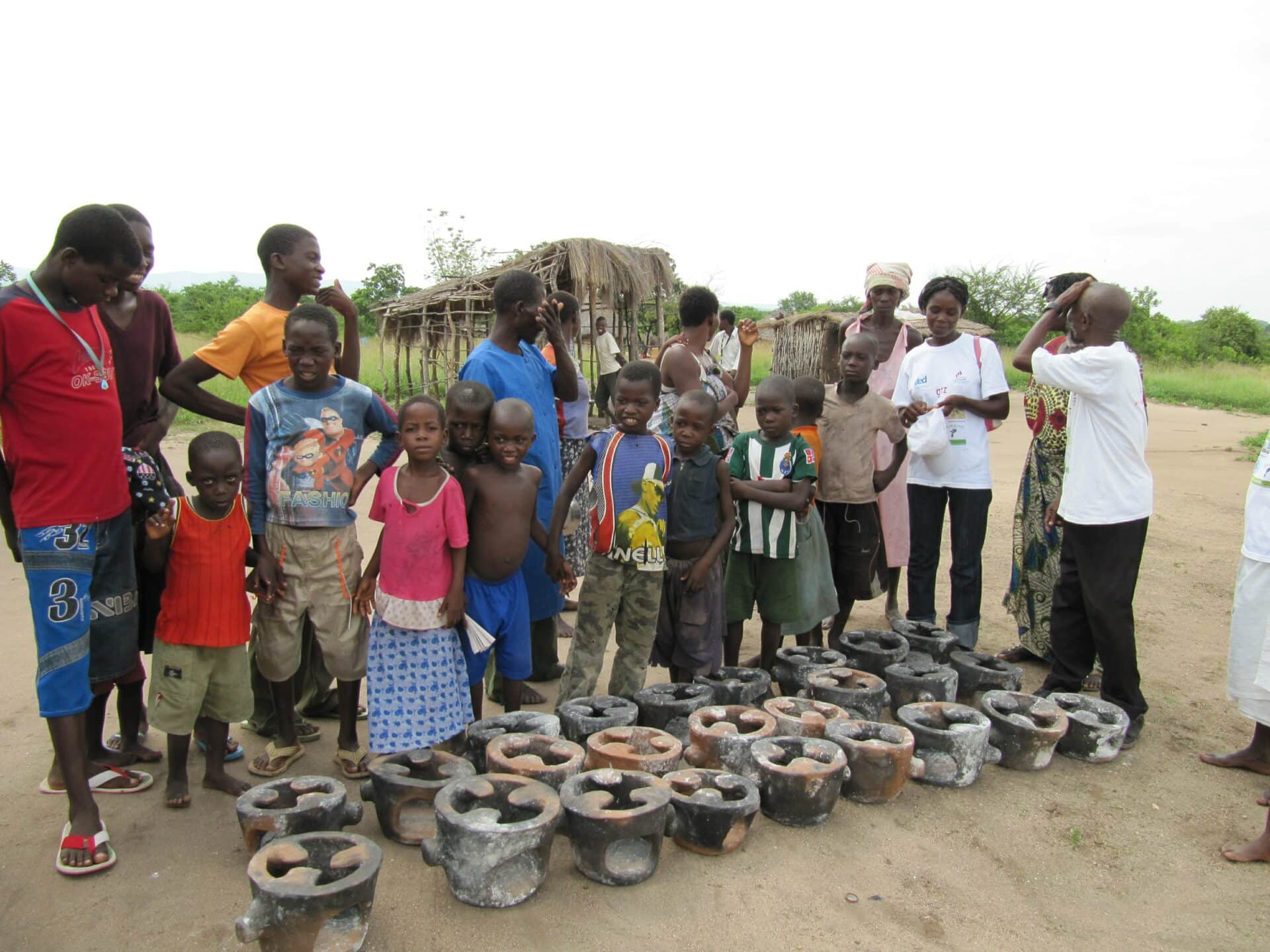
Naturvernforbundet has been cooperating with environmental NGOs and supporting civil society development in a number of countries in East and South, aiming to strengthen our local partners’ capacity and influence in their struggle for a better environment.
Through our International Project Department, Naturvernforbundet has been engaged in international development projects since the early 90s, in a total of 20 countries in the former Soviet Union and Africa, developing a broad competence on issues related to energy saving, renewable energy, climate, nuclear safety and education with a local level focus.
Energy saving
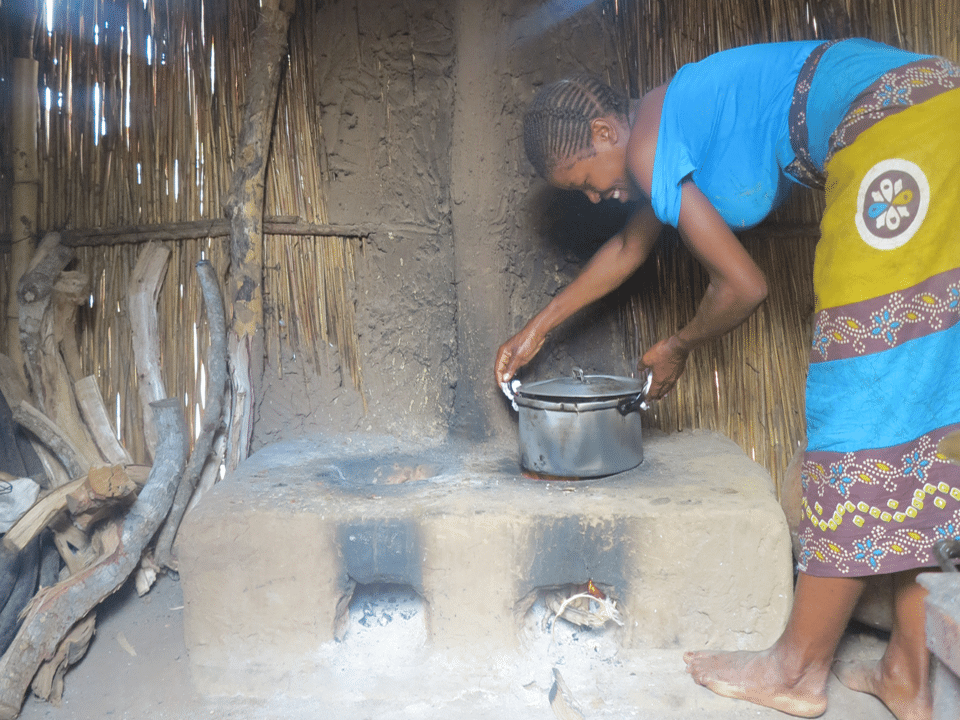
An important motivation for our activities is the global climate challenge. But regardless of climate change or not – making energy consumption more sustainable is of vital importance for many aspects of people’s everyday life. Saving or using energy in a more rational way will:
- Contribute to a long term environmentally friendly energy supply and consumption.
- Reduce local and indoor pollution.
- Reduce pressure on vulnerable nature resources.
- Reduce acute shortages of fuel.
- Improve comfort (increase temperature, give access to hot water).
- Reduce time consumption for collection of firewood.
- Improve the general knowledge and understanding among the recipients about the environment, energy and climate in a local and global context.
Capacity building
Many of the countries of former and present cooperation are characterized by a lack of democratic and socio-economical development. Poverty, insufficient infrastructure and low access to basic needs are part of everyday life. As an indicator, Tajikistan is ranked as number 112 on the Human Development Index of 2010, Togo as number 139 and Nigeria as number 142. This makes the aspects of social development, democracy and civil society development important components of our current project activities.
The main objectives of Naturvernforbundet’s international project activities are to ensure local partners’ improved capacity regarding organisation development, increasing competence on energy, environmental and developmental issues, as well as policy campaigning on both the local and national levels.
The main target group of our projects is therefore environmental non-governmental organisations (NGOs) and the civil society. We regard capacity building of local NGOs, and through them local communities, as an important component of development towards democratisation. In many developing countries today, it is clear that the forces promoting environmental and human concerns are too weak, and need to be strengthened.