Russian environmentalists prevail, amid stronger pressure
«Whether you care about the environment itself or the democracy in Russia – supporting the environmental movement is a good choice for the future.»

Vitaly Servetnik, Russian environmental activist in Environmental Crisis Group. Photo: Olga Mnishko.
Since 2012, the space for Russian civil society has shrinked each year, with suppressive tools such as «foreign agent» labelling, even stronger labels of «undesirable» and «extremist», financial pressure and prosecution. Most environmental organisations have closed, but still individual activists and ad-hoc groups continue to fight for nature and environment.
In addition, the environmental movement is also hindered by general democratic conditions in their society. Each time Russia takes another step in authoritarian direction, it gets harder for civil society, including environmental human rights defenders.
We asked environmental human rights defender Vitaly Servetnik for his view about the main 2025 changes. Servetnik left Russia after the 2022 full-scale invasion of Ukraine and currently lives in a European country. He has been working with Norwegian environmental organisations for decades. Now he is involved in several projects and initiatives, for instance the Environmental Crisis Group. Vitaly Servetnik is also part of the historic climate lawsuit against Russia, along with 17 others brave individuals (indigenous leaders, climate activists, and human rights defenders) and two Russian NGOs (Ecodefense and Moscow Helsinki Group). Read the interview below.
Read more:
Each year, it is said that the conditions for Russian civil society get worse. So let’s start with talking about what happened in 2025 that narrowed the space for civil society in Russia?
Similarly to the previous years, we have seen more deregulation of environmental legislation, while more restrictions for «foreign agents», more internet censorship and more persecution of protestors.
In 2025, we have seen another big attempt to destroy the protection of nature-protected areas. The bill was developed by the Ministry of Natural Resources and Environment and was submitted to the State Duma in December 2025. It would allow activities aimed at ensuring national defence and security, as well as protecting the state border, to be carried out in nature reserves, national parks, sanctuaries, and other protected areas. The bill creates a legal mechanism for carving out valuable land from any protected area for development projects justified by defence and military needs.
From record-level fines and administrative arrests to new prosecution practices, the risks for eco-activists grew significantly. One alarming precedent: the use of terrorism charges against indigenous leaders.
The Environmental Crisis Group documents persecution of environmental activists in Russia. What are your main findings from 2025?
In 2025, we have documented 151 pressure incidents against 155 environmental activists, 26 initiative groups and 2 NGOs. Persecution took place in 32 regions of Russia, with Moscow city and Moscow region leading the list with 27 and 21 cases, followed by Krasnodar region with 18 cases, Saratov region with 13 cases and Republic of Bashkortostan with 8 cases.
We have documented at least 59 administrative cases that were initiated against environmental defenders. Financial pressure resulted in at least 38 fines issued, which in total amounted to 375,000 rubles (approximately 4,500 USD). Administrative arrests were used against at least 6 environmental activists, with a total 69 days in detention. This is the highest for the last three years.
In the area of criminal persecution, 12 new criminal cases were opened against environmental defenders, and 3 activists were convicted. Two of the latter were sentenced to 4.5 and 5 years in prison.
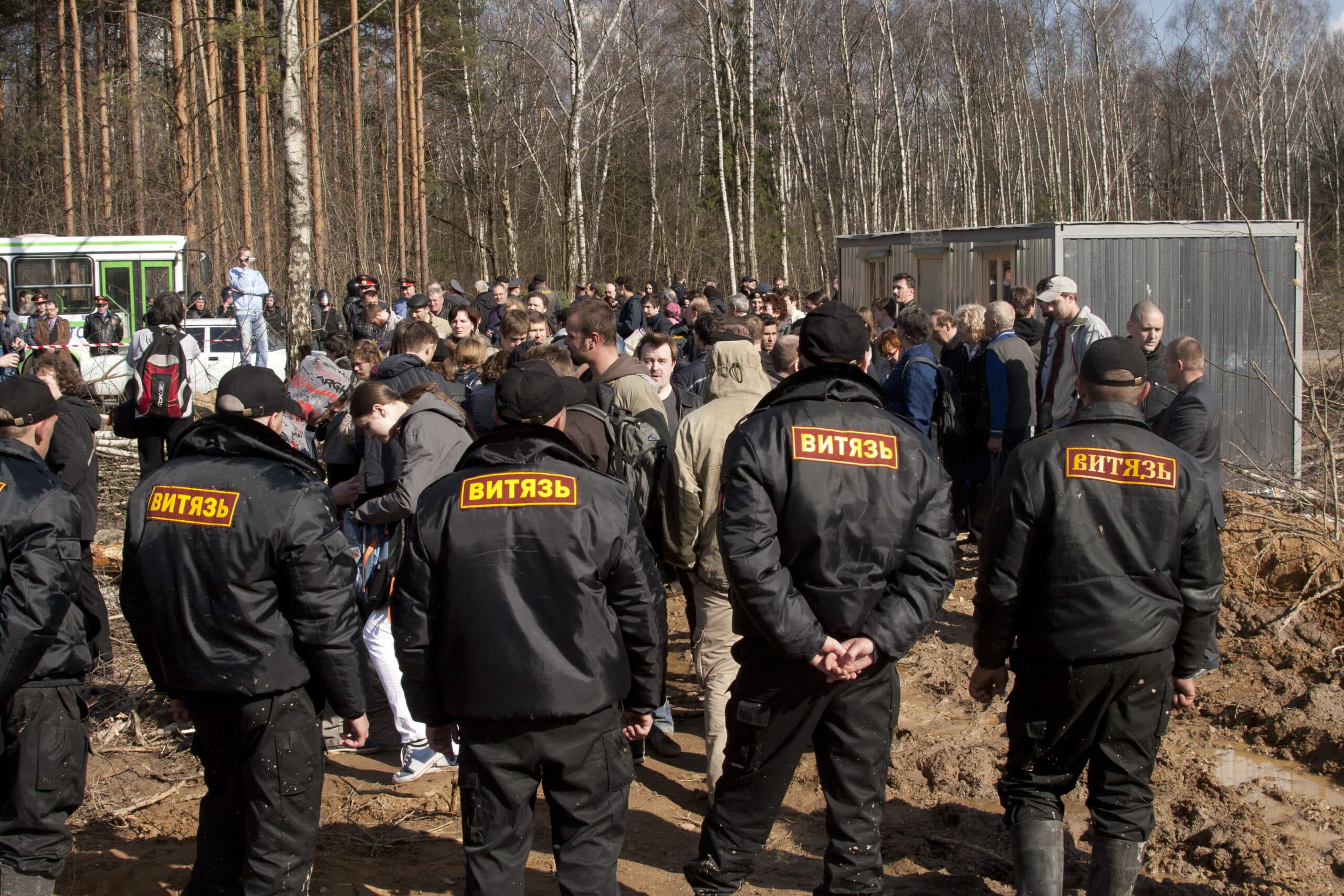
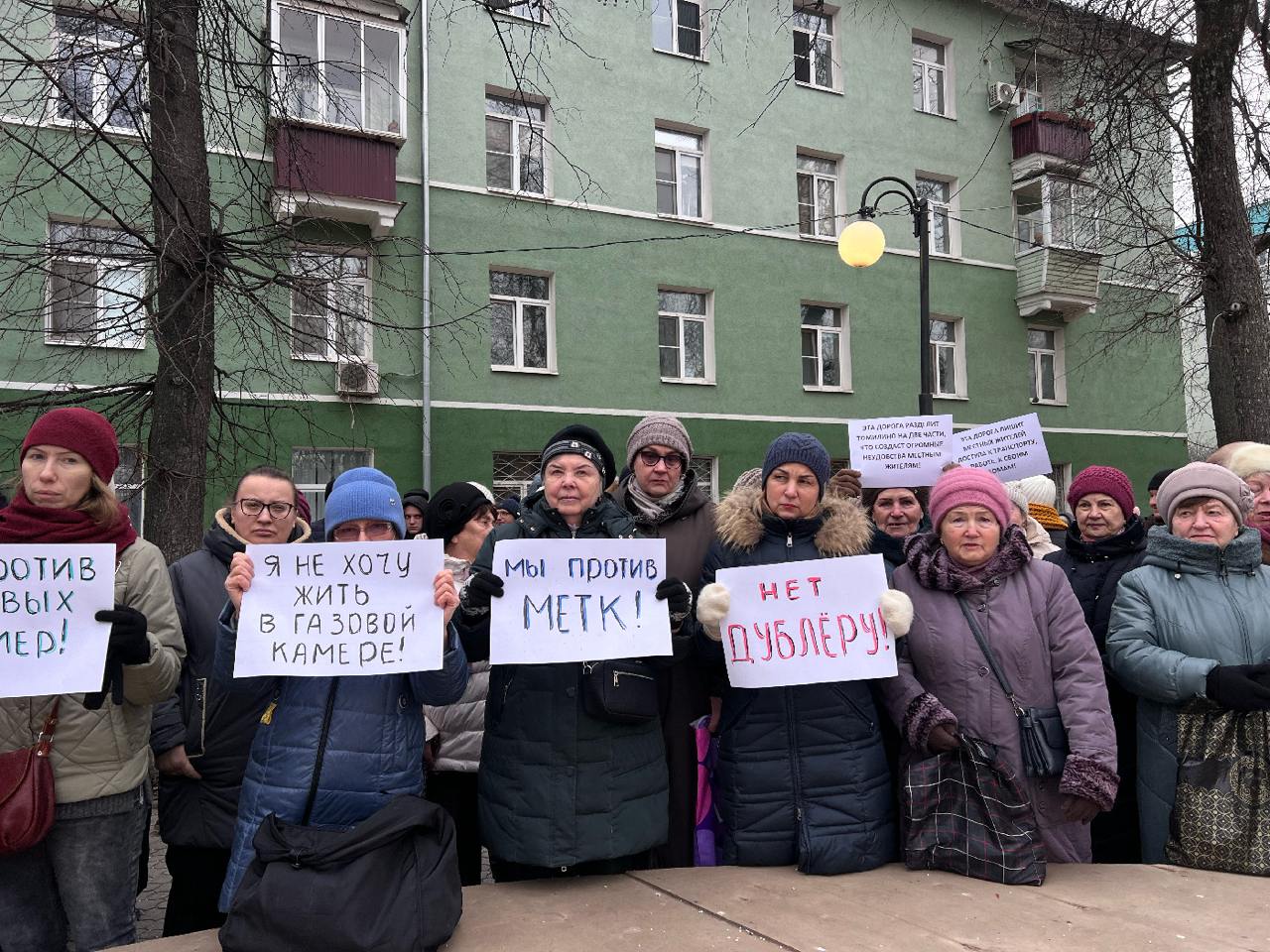
2025 brought another fatality: An activist from Moscow died from fire burns after a house was put on fire on 30 March. This happened in the Lyubertsy urban district of the Moscow region, in the Tomilinsky forest. Vladimir Rogov, a duty officer of the Water Rescue Society, was involved in protecting the forest and was spending the night on watch in a wooden building, as part of a forest defence campaign. He died from burns four days later, in the hospital.
We also have documented 17 assaults, 7 cases of property damage, 2 attempts of dismissal of workers in the nature protected areas, and 1 dismissal of a journalist for environmental reporting.
 Eco-Defense Moscow Region
Previously, the focus has been on «foreign agent» labelling, but eventually labels of undesirable organisations and extremists have received more attention. Are all these government tools still used, and do any of them stand out as being more widely used in 2025?
Absolutely, those tools of repression are still in use. For example, 2 new individual environmentalists were labelled as «foreign agents», and 1 new «undesirable» environmental organisation was added to the list. The point of such repression is not to label everyone at once, but rather keep labelling regularly, so the fear continues to spread. The more severe labels add more risks, but the old ones are still quite useful.
You have mentioned Strategic litigation against public participation (SLAPP) as a trend. Could you give us an example of activists being exposed to this, for readers outside of Russia to understand?
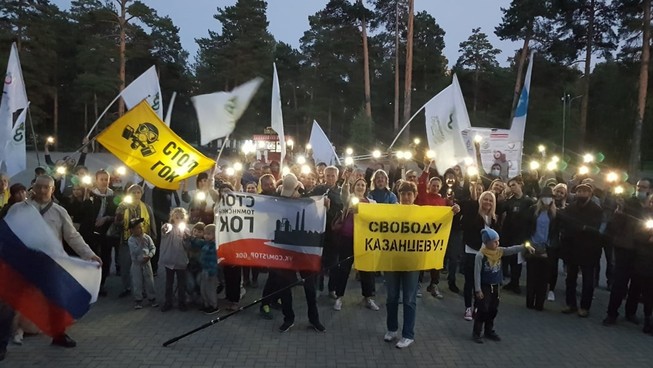
The most evident example of SLAPP in Russia would be environmental activist Dilyara Gaysina from Kazan, which for several years has been fighting the problem of industrial pollution in Tatarstan and its health consequences. For over two years, Dilyara has been involved in public activism. She actively developed the «For Clean Air! Kazan» community, participated in environmental roundtables in Kazan, protested in pickets, submitted inquiries and appeals to government agencies, and discussed the issue in the media and social media. She has openly accused the Kazanorgsintez chemical plant of deteriorating air quality in the city and the health of Kazan residents. The plant’s lawsuit against Dilyara for protection of its business reputation has been going on for over two years. The lawsuit is based on Dilyara’s comments on VKontakte social media platform. Such type of persecution not only threatens the activist with an enormous fine but also has taken more than two years of her life and work.
The Russian environmental movement and its outreach to the society is hindered by general internet repressions. In what way can we expect the imposing of the MAKS app and other technical efforts to impact the Russian environmental movement?
Any repression has an impact. The internet limitation is making it more difficult to mobilize and coordinate. The allowed platforms like MAKS aren’t safe, so people are still reluctant to use it, while the secure platforms are banned, and overcoming the ban with VPN requires more effort. For example, more people tend to read their messages when at home and have more time. This slows the communication and coordination.
 Main: Let’s Protect Krylatskie Hills
Environmental activists that still reside in Russia have changed their work to less provocative working methods and self-imposed limitations due to security concerns. Are we approaching the limit for possible relevant environmental work inside Russia?
Honestly, I don’t think so. Yes, the professional and systemic environmental defenders are choosing the less visible strategies, indeed. But at the same time the local protests are increasing, both in numbers and in visibility. According to Activatica reports, the number of environmental protests increased from 580 in 2024 to 782 in 2025. The visibility of these protests has also risen. In 2024, environmental issues were ranked second among protest causes. In 2025, they became the leading cause, while the total number of protests in Russia declined.
Environmental problems didn’t go anywhere, so people are continuing to mobilize and protest, while we see a decrease in protests against the war, regime and political repressions, because of the bigger pressure from authorities.
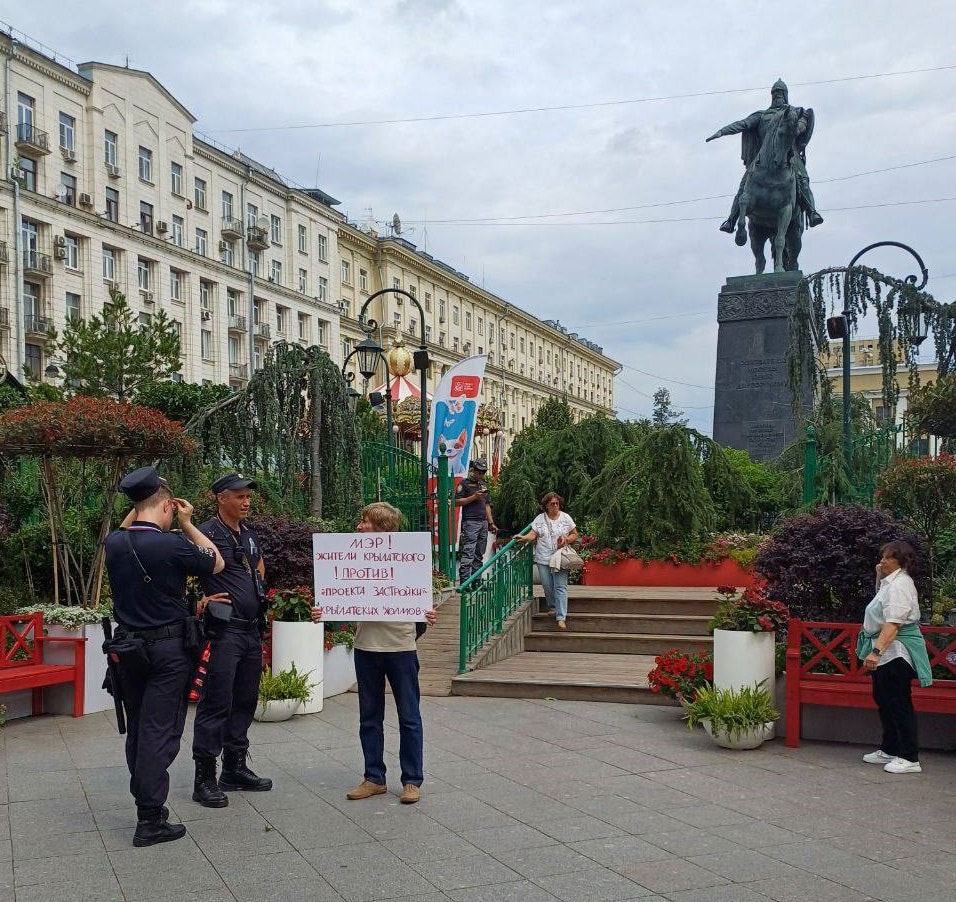
The most common environmental protests are in defence of parks, forests, and specially protected nature areas (at least 395 protests in 2025). Protests against waste disposal sites are in second place (115 protests in 2025), and animal rights are in third place (113 protests in 2025). Activists blocked construction workers’ roads to prevent illegal construction in nature areas. The longest vigil against construction—over eight months—was staged by defenders of the Krylatsky Hills in Moscow.
Several Norwegian civil society organisations have ended their cooperation with Russian counterparts, mainly due to repression but also partly as a safety precaution. Does it make sense to keep some level of contact across the borders, or are Norwegians more helpful if we keep away and not add additional security challenges to our Russian fellow environmentalists?
I would say that contacts and cooperation are always good. I believe we need more solidarity and cooperation, not less. The way of doing so should be adaptive, but exchange should be maintained.
Whether you care about the environment itself or the democracy in Russia – supporting the environmental movement is a good choice for the future.
From what can be seen from Norway, Russian opposition against the regime and the war against Ukraine is scarce, and many Norwegians have trouble separating between the regime and the population. What would you say to those Norwegians that are sceptical towards supporting Russian environmental groups and activists?
First, I would try to explain the complexity of Russian society. It is not homogeneous, but very diverse, and includes many different groups and several layers in each. But also, it is important to keep in mind that the Russian society had undergone 25 years of intended depoliticization and repressions for political engagement. From this perspective, the existence of any resistance is already a great achievement.
Second, we see that the number of environmental protests and local environmental successes is increasing, even during the years of the war. This means that Russian people are concerned about nature and ready to get involved in nature protection efforts. This is good for both nature and civil society engagement. Let’s remember in the year of the 40th anniversary of the Chernobyl catastrophe. That tragedy led to the demand for information, including environmental information, and further to ‘glasnost’ (openness, editor’s note), which has built its road to greater involvement and in the end ‘perestroika’ (restructuration, editor’s note). So, whether you care about the environment itself or the democracy in Russia – supporting the environmental movement is a good choice for the future.